The Quest for Perfect Gluten-Free Sandwich Bread
For anyone navigating a gluten-free diet, the dream of a truly satisfying sandwich often feels just out of reach. We've all been there: dense, crumbly loaves that fall apart at the first bite, or ones so dry they resemble packing material more than bread. The struggle to find a genuinely tender high rising gluten free sandwich bread that doesn't compromise on taste or texture is real. But what if we told you that the secret to achieving that soft, fluffy, and perfectly sliceable loaf, much like your favorite store-bought variety, lies not in traditional kneading but in a surprisingly different approach?
Beyond the Crumbly Conundrum: What Makes This Bread Different?
Forget everything you thought you knew about gluten-free baking. This isn't about replicating a chewy, yeasty gluten-based dough. Instead, we're embracing a unique method that capitalizes on aeration and precise handling to create a loaf that is undeniably soft, resilient, and utterly delicious. The result is a homemade gluten-free bread that slices thin and tastes amazing, offering everything you've ever wanted in a sandwich foundation.
The Secret Weapon: High-Speed Beating for an Airy Crumb
The cornerstone of creating this exceptional tender high rising gluten free sandwich bread is a technique that deviates significantly from conventional bread making: high-speed beating. Once all your carefully measured ingredients are combined, the mixture undergoes a transformative three-minute session at high speed in your mixer. This isn't just about mixing; it's about engineering structure.
During this intense beating, a remarkable amount of air is incorporated into what starts as a thick batter. This added air plays a critical role, effectively stepping in to replace the structural network typically provided by gluten. Think of it as building a microscopic scaffold within the batter. This aeration process is precisely what leads to a much fluffier loaf, mirroring the airy texture found in many conventional store-bought breads. To delve deeper into this crucial step, read more about Unlock Fluffy Gluten-Free Bread: High-Speed Beating Secret.
After three minutes, the batter's appearance will be your first clue to success. It won't resemble a typical elastic yeast dough in the slightest. Instead, expect a texture akin to thick, heavy buttercream icing — incredibly smooth, silky, and uniform. It will be undeniably sticky to the touch and, if rubbed between your fingers, you might notice a slight grittiness, which is perfectly normal. This consistency is ideal; it signals that the batter is primed for its next stage, ready to transform into that soft and sliceable gluten-free bread you've been dreaming of.
Mastering the Rise and Shaping for a Flawless Finish
With your perfectly aerated batter ready, the next steps are crucial for achieving that desired tender high rising gluten free sandwich loaf. Unlike traditional bread, this gluten-free batter requires a different approach to rising and shaping.
The First Rise: Patience and Observation
Once you've scraped down the sides of your mixing bowl, leave the batter right there for its initial rise. Cover the bowl loosely with a light towel or plastic wrap. You might not see the batter double in size as you would with a conventional dough, but it will puff up considerably, indicating that the yeast is actively working its magic. Remember, this "dough" will remain wet, sticky, and decidedly un-kneadable, more akin to a very thick brownie batter than a traditional bread dough. This is exactly what you want.
Transferring and Smoothing: The Art of Perfection
When it's time to transfer the risen batter into your loaf pan for its final proof, careful technique makes all the difference. As you spoon or pour the batter into the pan, make sure to gently but firmly press it down. This step is vital for two reasons:
- Eliminating Air Bubbles: Trapped air bubbles within the batter can lead to unsightly holes or large pockets in the center of your baked bread. While these won't impact the taste or overall baking, they can certainly make for an odd-looking sandwich. A minute or two spent ensuring an even distribution and removing air pockets will pay off in a beautifully uniform crumb.
- Achieving a Smooth Top: The appearance of your loaf before the final rise is remarkably predictive of its appearance after baking. If you take the time to smooth the top of the batter in the pan — using a spatula or the back of a spoon — you'll be rewarded with an equally smooth and appealing crust. This batter is quite delicate, so be aware that any finger touches or bumps will likely be visible on the final baked loaf. A little extra effort here ensures that coveted professional-looking finish.
Post-Baking Perfection: Slicing and Enjoying Your Masterpiece
Congratulations! You've successfully navigated the unique world of gluten-free bread baking, and your kitchen is now filled with the irresistible aroma of a freshly baked loaf. But the journey to a perfect tender high rising gluten free sandwich bread isn't quite over.
The Final Touches for a Soft Crust
Immediately after removing the bread from the oven, a small, yet significant, step awaits: brushing the warm loaf with a very thin layer of melted butter. This simple act contributes immensely to keeping the crust delightfully soft and supple, preventing it from becoming hard or brittle. It also imparts a subtle richness and flavor that elevates the overall experience.
The Golden Rule of Slicing: Patience!
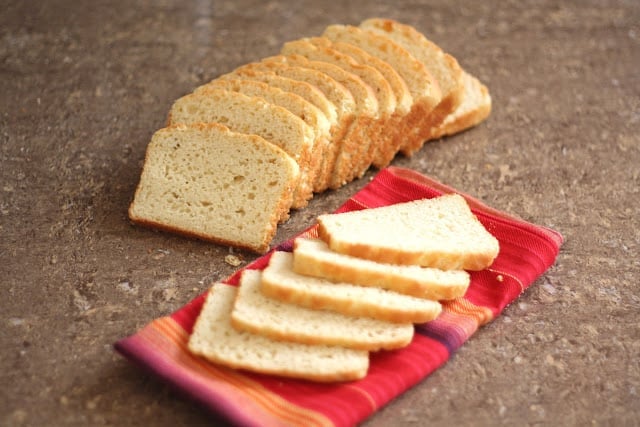
Perhaps the most challenging, yet crucial, step is waiting. Resist the urge to slice into your beautiful creation while it's still warm. For perfectly thin, clean slices — the kind that make for ideal sandwiches and toast — the bread must be completely cool. This allows the internal structure to set fully, preventing squishing or tearing. Once cooled, you'll discover the remarkable sliceability of this bread. Many bakers find they can achieve an impressive 2-3 slices per inch, yielding approximately 20 slices from an 8.5-inch loaf pan. This is a game-changer for homemade gluten-free bread, allowing for incredibly versatile use.
Consistency is Key: Tips for Repeat Success
- Measure with Precision: Gluten-free baking is a science. Always scoop your flours into measuring cups with a spoon, then level off with the back of a knife. Eyeballing can drastically alter the final texture.
- Follow Visual Cues: Pay close attention to the descriptions of the batter's appearance and texture at each stage. This recipe is very forgiving if you hit these key visual milestones.
- Embrace the Batter: Let go of the expectation of a traditional dough. This sticky, thick batter is your friend and the key to its unique success.
Now, the best part: enjoyment! This soft and fluffy gluten-free sandwich bread is incredibly versatile. Enjoy it sliced thick for hearty breakfast toasts adorned with homemade peach jam, or slice it thin for classic lunch sandwiches. It cooks beautifully for French toast, making a delightful start to any day. Whether for breakfast, lunch, dinner, or even a treat with your favorite spread, this amazing bread is sure to become a family favorite.
Conclusion
The quest for a truly satisfying gluten-free sandwich bread often feels like an uphill battle, but with the right techniques and a little patience, you can achieve remarkable results. By embracing the power of high-speed aeration, understanding the unique characteristics of this batter, and paying attention to crucial post-baking steps, you can create a homemade gluten-free bread that slices thin and tastes amazing. This guide empowers you to bake a tender high rising gluten free sandwich loaf that not only meets but exceeds expectations, proving that gluten-free doesn't mean compromising on deliciousness or texture. Get ready to rediscover the joy of a truly great sandwich!
